
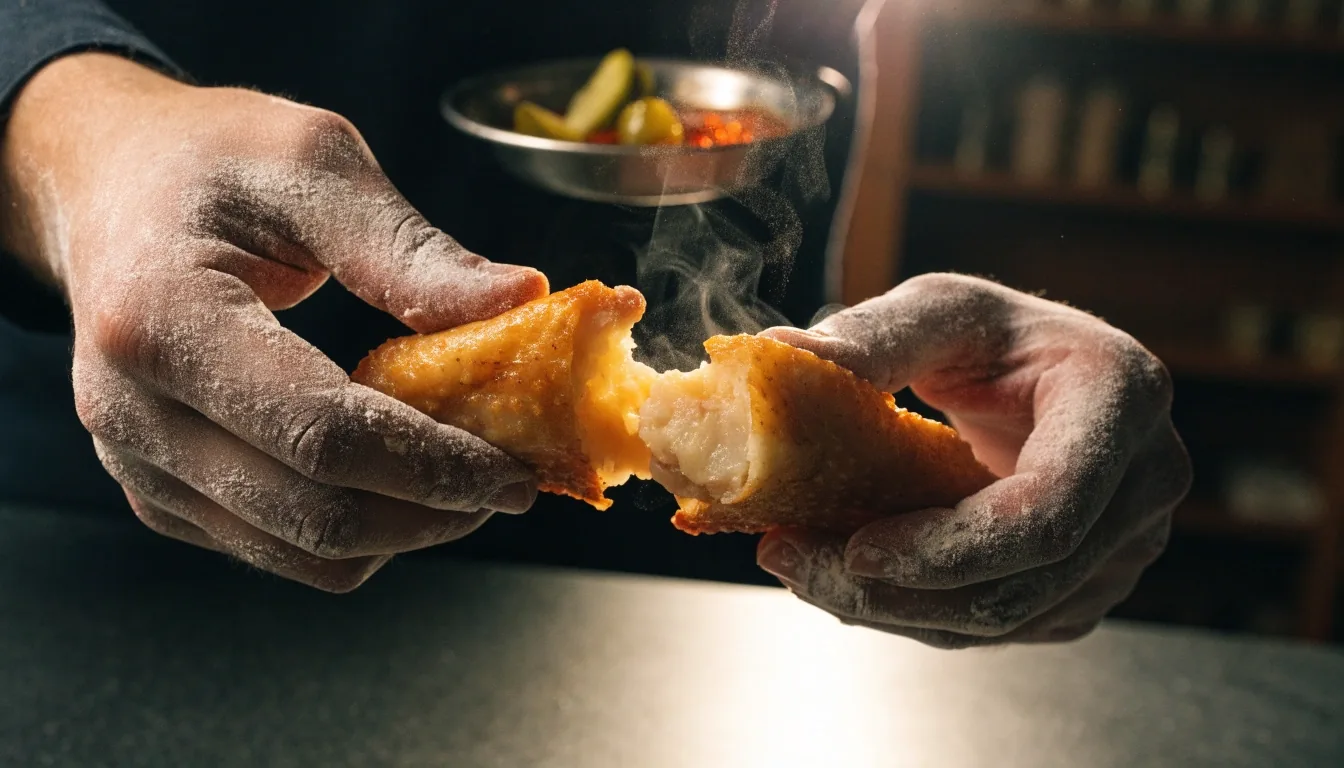
Flavor Guide · 4820 W Sunset Blvd, Los Angeles
Choosing Your Fried Chicken Flavor
Flavor comes from three places: the brine, the seasoned flour, and whatever goes on after the fryer. This guide walks through the main directions so you can pick one on purpose instead of defaulting to whatever is in the cabinet.
Where flavor actually enters the chicken
Most bland homemade fried chicken is a brine problem, not a seasoning problem. Fix the brine first, then adjust the crust, then worry about the sauce.
- Brine
- Salt in the brine seasons the meat. It also holds moisture, which is why a strip brined overnight fries up juicier than one dredged straight from the fridge.
- Seasoned flour
- Pepper, paprika, garlic, and cayenne in the flour build the crust. Taste the dredge dry, before it touches chicken, and you will know what the coating will taste like.
- The finish
- Cayenne oil, honey butter, or a dip is where the character comes from. It lands after the fry, so it changes the surface rather than the meat underneath.
The four directions, side by side
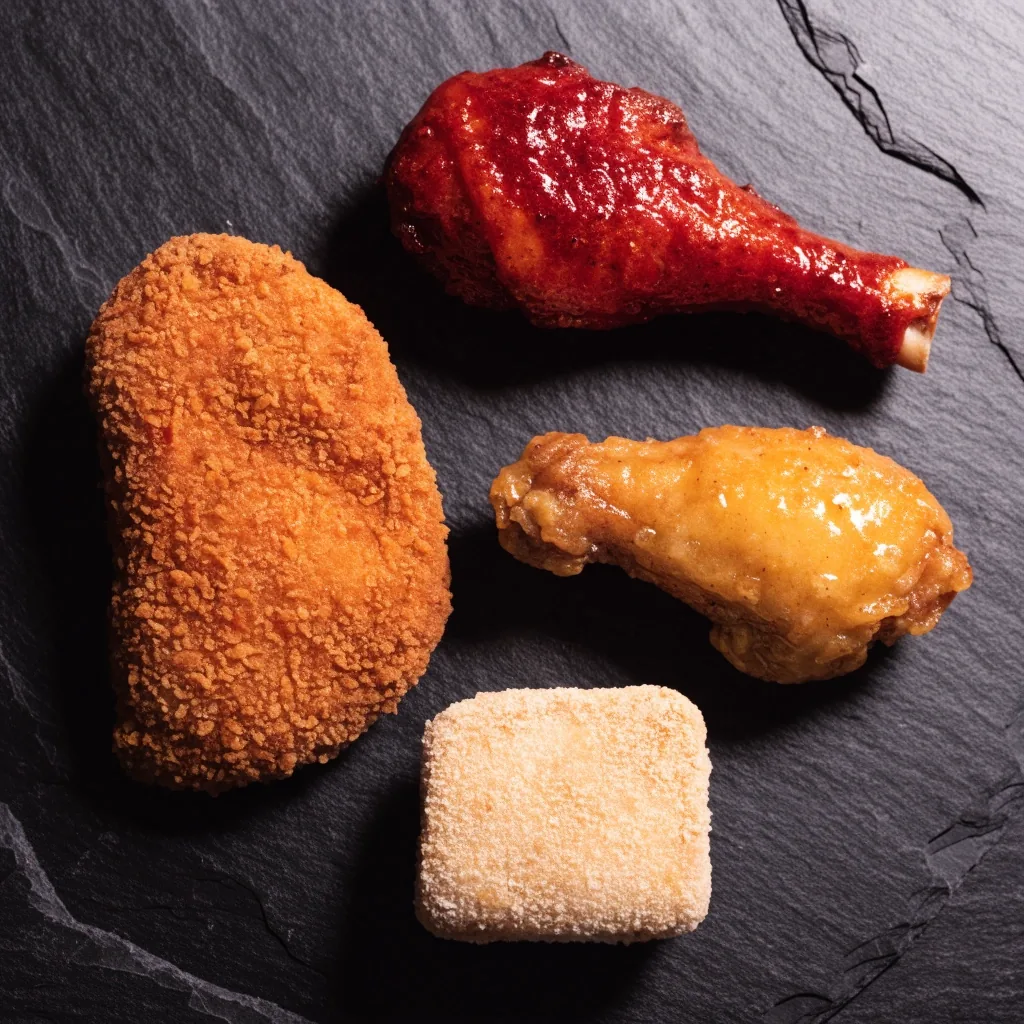
Every one of these starts from the same fried piece. What separates them is the dredge and the finish, not a different cooking method. Read down the column to see where the heat actually lives.
The baseline. Salt, black pepper, a little garlic powder, and paprika in the flour, with buttermilk in the brine. No cayenne oil, no honey. The point is a clean, savory crust that lets the chicken taste like chicken. If you are cooking for people with different preferences, this is the batch to split and finish two ways.
Fried the same way as the classic, then finished with a cayenne oil poured over the crust. The oil usually carries paprika, a bit of brown sugar, and sometimes a pinch of garlic. It is served over white bread with pickle chips, and the bread's job is to catch the oil. Heat levels are adjustable in the oil, not the dredge, which is why you can make one batch and dress it mild or hot.
Cajun seasoning brings paprika, garlic, onion, oregano, thyme, and cayenne into the flour itself. It is a different profile from Nashville-style: the heat is cooked into the crust rather than poured over it, so it tastes rounder and less sharp. This is the direction that connects to the Southern chain tradition of seasoned, savory chicken with biscuits alongside.
These are finishing sauces, applied after the fry. Garlic butter goes on hot so it melts into the crust; honey works the same way but adds sweetness that plays against cayenne. Both soften the coating faster than a dry finish, so they are best for chicken you are eating immediately. The collection notes how long each finish holds before the crust gives up.
Building your own blend
Once you know what each seasoning does, you can build a blend instead of following one. Start with a base ratio, taste the flour before it touches chicken, and adjust from there. The collection gives the base and a few tested variations as starting points.
- Paprika Color and mild sweetness. Sweet paprika keeps the crust warm-toned without adding heat; smoked paprika pushes it toward campfire and changes the whole profile.
- Cayenne Direct heat. A little goes further in the dredge than in the oil, because the flour carries it straight onto the tongue rather than letting it soak in.
- Garlic & onion Depth. These powders disappear into the crust as background savoriness, so use them generously and let the paprika and pepper carry the front note.
- Black pepper Bite. Coarse-ground pepper gives the crust its crackle and its little sparks of heat; fine-ground pepper blends in and reads as a background hum instead.
Matching flavor to format
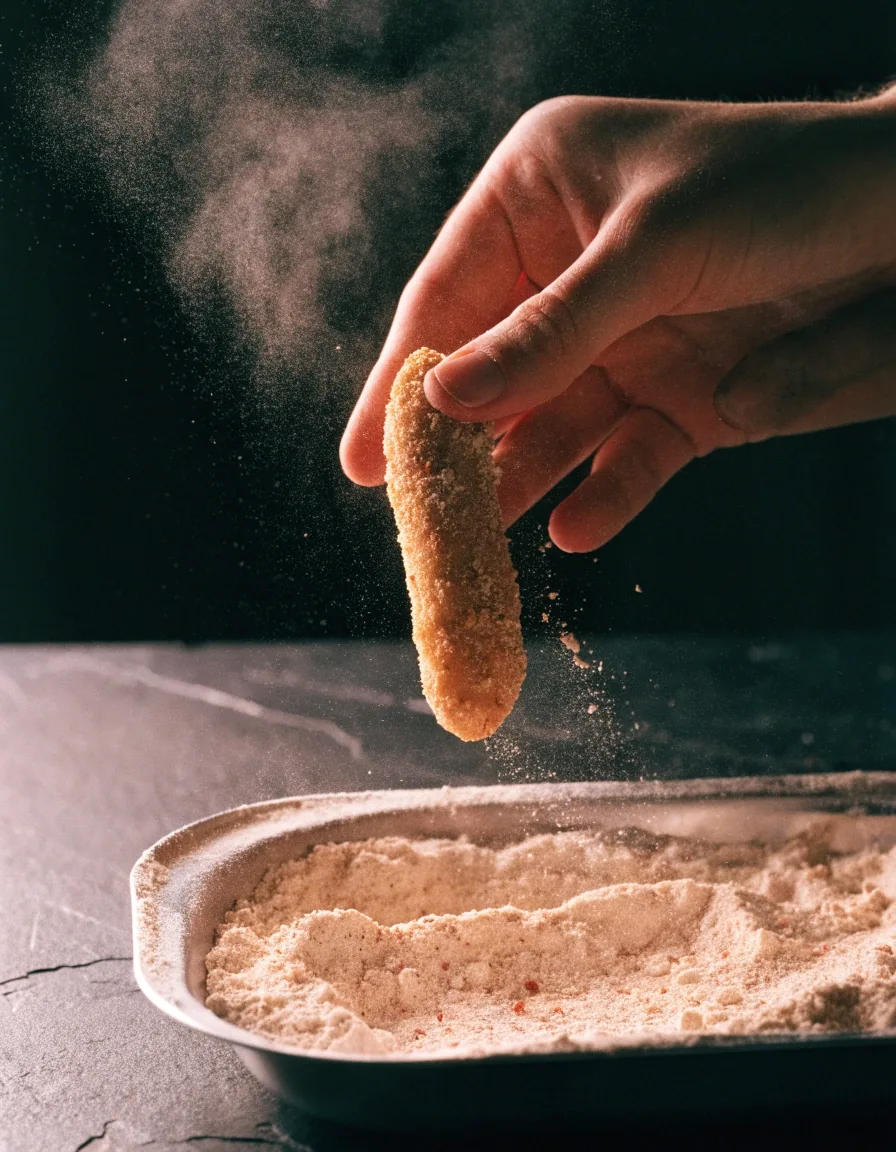
The cut decides how much finish it can carry. Weight the sauce to the piece, not the other way around.
- Wings
- Wings take bold finishes well because the meat-to-crust ratio is high and the skin holds sauce. Cayenne oil, honey butter, and garlic butter all sit on a wing without turning it soggy.
- Nuggets & strips
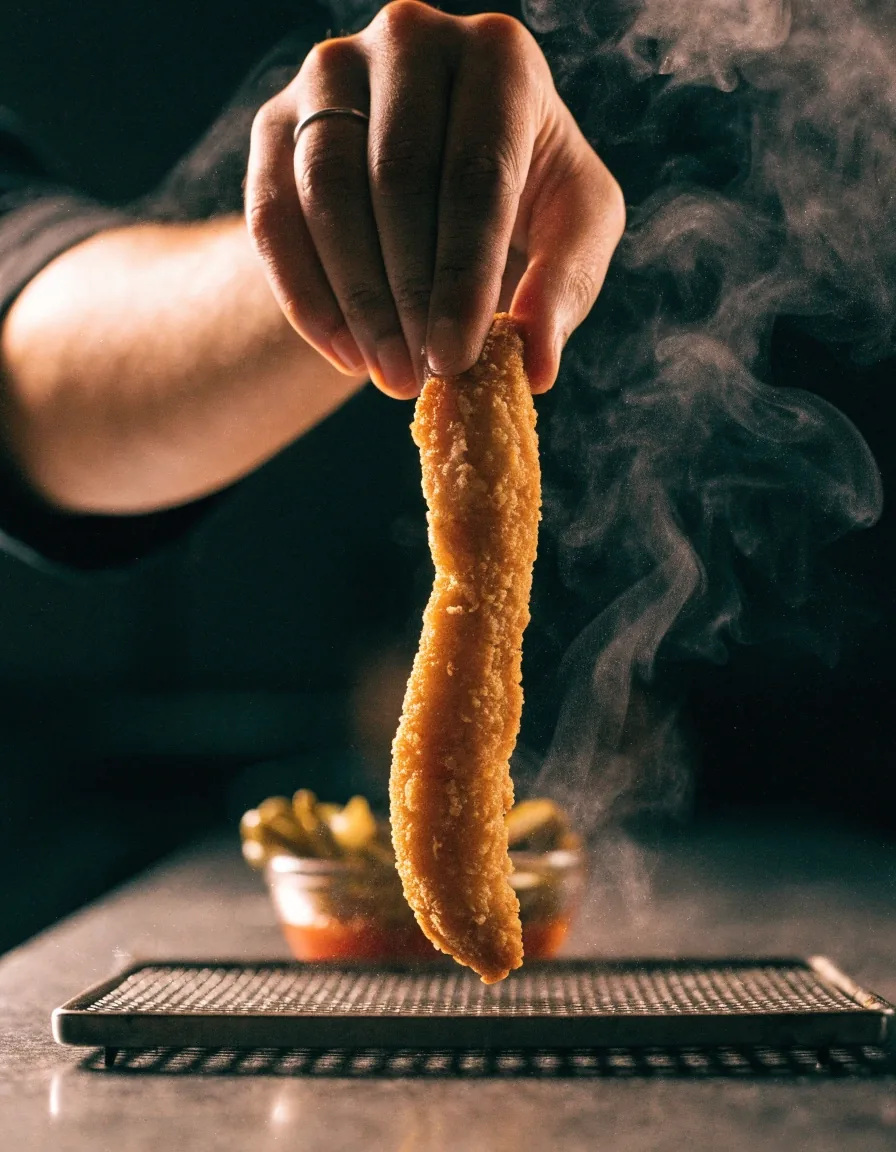
- Better with dips on the side, since a wet finish on a small piece can overwhelm it. Keep the crust dry and let each person pick their own dip heat.
- Cutlets
- Cutlets work with a light sauce or none at all. Their broad, flat surface shows every bit of seasoning, so the dredge does the talking and the finish stays out of the way.
- Bone-in pieces
- Bone-in pieces can carry heavier seasoning in the flour than boneless ones, which cook faster and absorb less. If your table wants a big Southern-fried crust, thighs and drumsticks will hold it.
Heat levels, honestly described
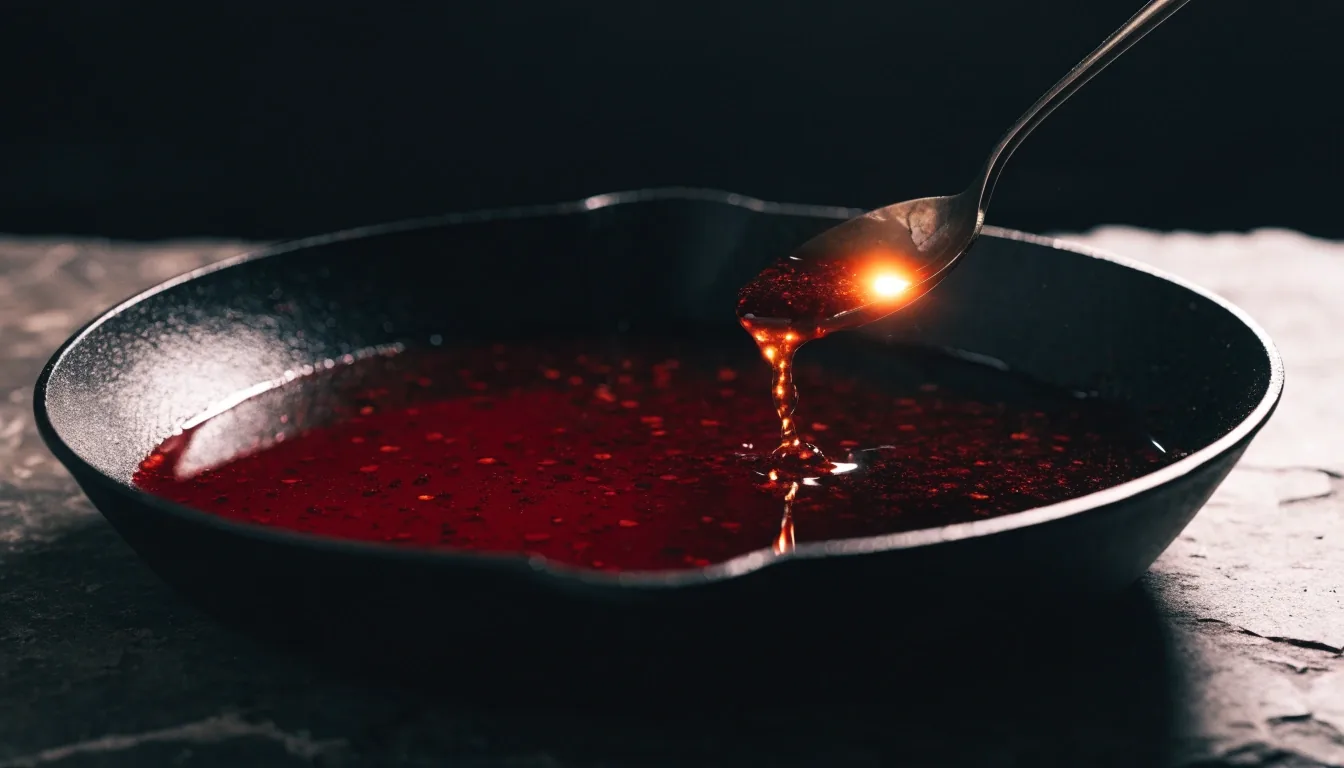
The recipes describe each level by what it feels like rather than by a number, because Scoville ratings do not translate cleanly to a cayenne oil you are making at home. Adjust the cayenne, not the oil volume.
Pickle chips, white bread, and the rest
The traditional Nashville-style serving is a piece of white bread under the chicken and a few pickle chips on top. The bread soaks up oil and the pickles cut the heat. It is not decoration. If you are serving hot chicken any other way, the plate gets messy and the flavor gets heavier than it needs to be.
That small stack is the difference between a sharp, balanced plate and one that turns into a puddle. The collection calls for it on every Nashville-style page, and it is the fastest improvement you can make to a batch you have already fried.
Try the flavor before you buy
The free sample recipe covers a buttermilk brine, a classic Southern dredge, and a cayenne oil you can dial from mild to hot. Cook it once and you will know whether your kitchen likes the Nashville direction or the Southern baseline better.
If you are comparing flavor styles before committing, start here, then read the techniques guide for the double-fry and oil-temperature details that make the crust hold.
Questions from the fryer
Short answers to the things people ask before they pick a direction.
What makes Nashville hot chicken different from regular fried chicken?
The finish. Regular fried chicken is seasoned in the dredge. Nashville-style is fried plain, then dressed with a cayenne oil poured over the crust, and served over white bread with pickle chips.
Can I make one batch and serve it at two heat levels?
Yes, and it is the practical way to cook for a mixed table. Fry everything the same, then dress half the batch with cayenne oil and leave the rest plain or lightly seasoned.
Which flavor direction works best for kids?
The classic Southern blend or a garlic-butter finish, with dips on the side. Nuggets and strips take dips better than sauces poured over, since the pieces are small.
Still deciding? Start with the collection
The collection walks through every direction on this page with the brine ratios, dredge measurements, and finish timings written out, plus the notes on how long each finish holds before the crust gives up. If you would rather talk through a flavor for a specific table, get in touch.
Dave's Hots Chickens
4820 W Sunset BlvdLos Angeles, CA 90027, USA
+1-323-555-0198
[email protected]
Monday to Friday, 9:00 AM – 6:00 PM